Is the Alentejo worth visiting?
It’s a question we hear often, usually from travellers torn between the Alentejo and somewhere louder. The honest answer is yes, emphatically, but with a caveat: the Alentejo is not trying to impress you, and that’s precisely the point.
What it is
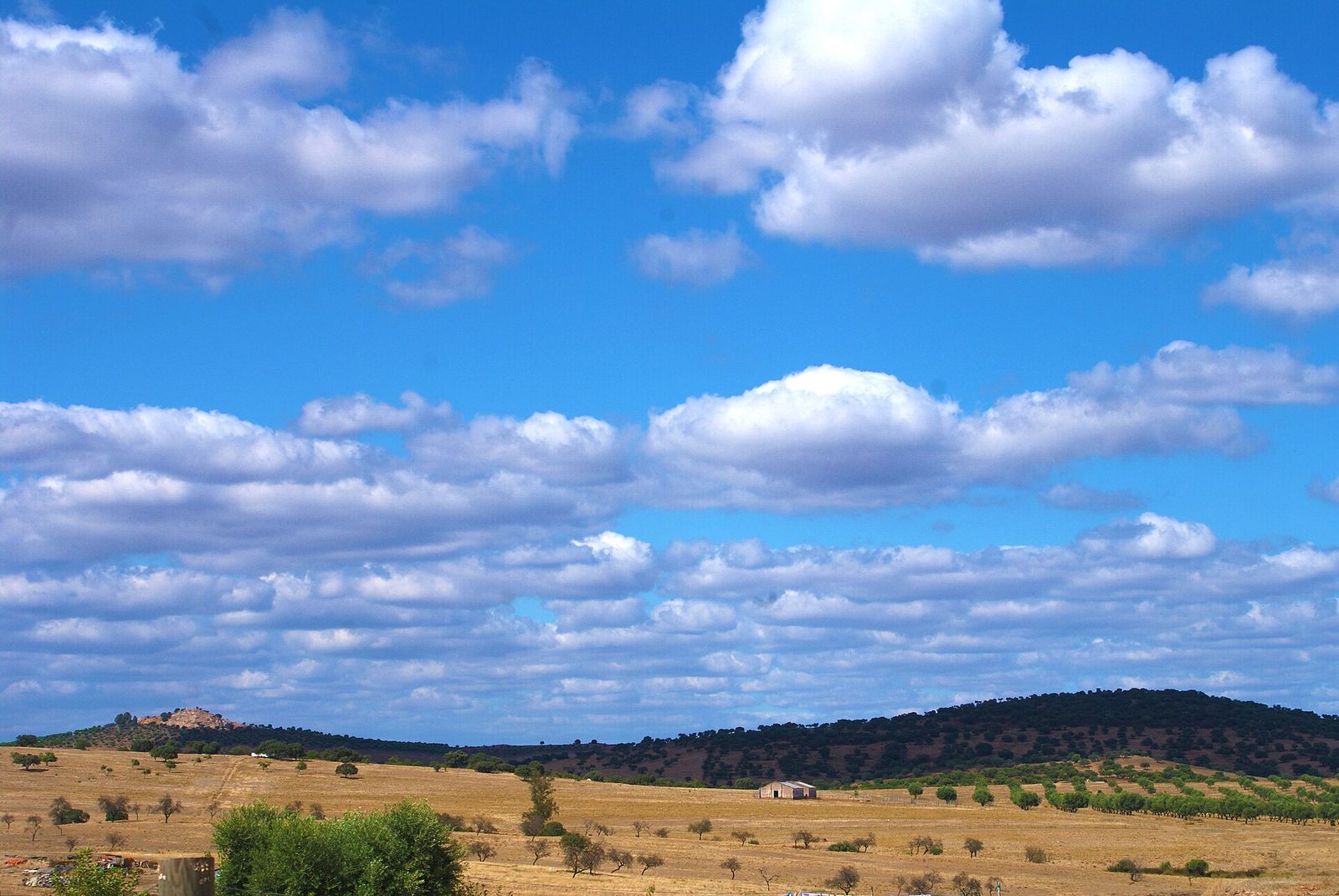
South and east of Lisbon, the land empties and slows. The Alentejo is cork oaks and wheat to the horizon, whitewashed towns on marble hills, and a way of life that hasn’t been in a hurry for centuries. It is the Portugal that Portuguese people keep for themselves.
Who it’s perfect for
If you love wine, food, history and quiet. And you’re happy to let a day unfold rather than schedule it: the Alentejo will move you more than almost anywhere. It’s a region for slow travellers, for couples, for anyone in need of genuine rest.
What’s there
More than its stillness suggests: Évora, a UNESCO-listed walled city with a Roman temple and a chapel of bones; hilltop Monsaraz above its lake, one of the historic villages of Portugal; some of the country’s finest wine estates; one of the world’s great regional kitchens; an empty Atlantic coast around Comporta; and, after dark, one of Europe’s first Dark Sky reserves.
What to expect
Slowness. And you should want it. The Alentejo isn’t about ticking sights; it’s about long lunches, golden light, and the rare freedom of having nowhere you need to be. Travellers who arrive expecting buzz can find it too quiet. Travellers who arrive wanting to breathe never want to leave.
Our honest take
The Alentejo is the region we most often have to talk people into. And the one they most often thank us for afterward. Pair a few unhurried days here with Lisbon or the coast, and it becomes the soul of a Portuguese journey.
If the idea of slowing right down appeals, the Alentejo was made for you. See how we design it. Or start a conversation, and we’ll fold it beautifully into your trip.